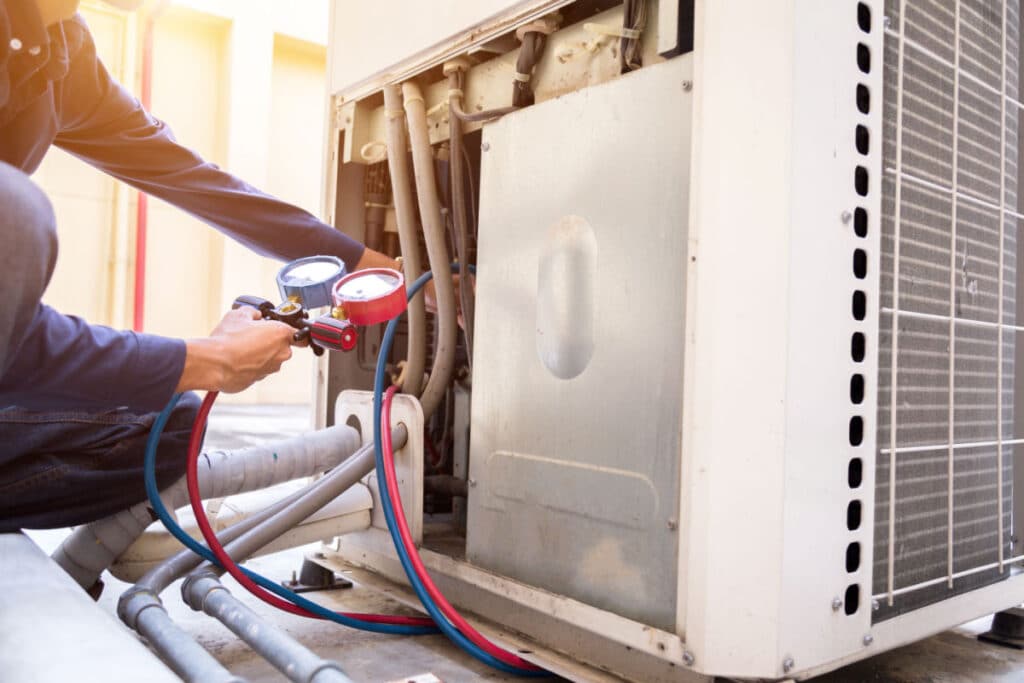
Thermostats control how heating and cooling systems respond inside a home. A small wiring mistake or setup error can cause short cycling, system shutdowns, or temperature swings that never settle. That’s why conversations about how to replace thermostat come up during service visits almost every week.
Some homes handle a basic thermostat swap without trouble. Others need professional thermostat installation right away. The difference depends on wiring type, system age, and how the HVAC equipment communicates with the control board. This guide walks through how to replace thermostat step by step, explains common mistakes, and points out the signs that call for professional help from Duggan’s AC & Heating.

How to Replace Thermostat Starts With Knowing What’s On the Wall
Before removing anything, it helps to know what type of thermostat is already installed. Different systems use different wiring layouts, voltage types, and communication styles. Skipping this step leads to miswired terminals or blown fuses.
Common Thermostat Types Found in Homes
- Manual Thermostats
These units use basic dials or sliders. Wiring stays simple, yet accuracy drifts over time. Many homes upgrade these first.
- Programmable Thermostats
These models follow scheduled temperature changes. Wiring stays similar to manual units, though setup takes more care.
- Smart Thermostats
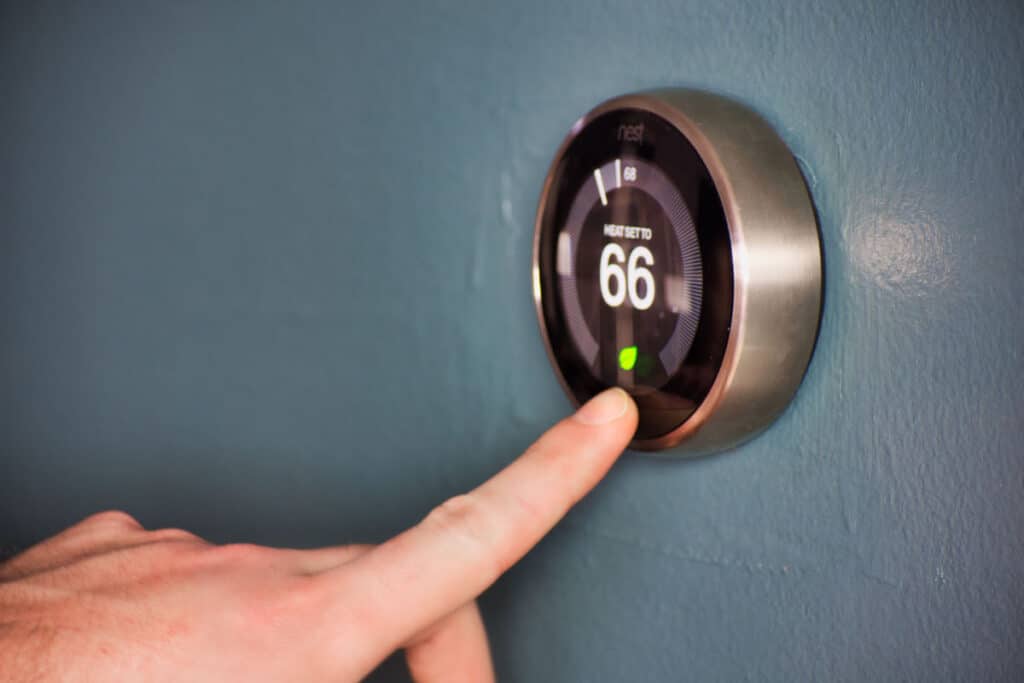
Wi-Fi thermostats connect to apps and often need a C wire. Many replacement calls happen when the existing system lacks one. Smart thermostat upgrades are handled daily through Duggan’s Smart Thermostat services.
Knowing the thermostat style helps avoid mismatches during thermostat installation.
How to Replace Thermostat Safely Without Damaging the HVAC System
Any thermostat replacement starts with safety. Skipping these steps risks blown control boards or damaged transformers.
Power Shutoff Comes First
Turn off power at the breaker panel, not just the thermostat screen. Many systems keep low-voltage power flowing even after the display shuts off. Cutting power fully protects the furnace, air handler, and thermostat wiring.
Label Wires Before Removal
Each wire controls a specific system function. Pulling wires without labeling them causes confusion later.
Expanded labeling tips:
- Use masking tape or wire labels.
- Match each wire letter to the terminal it came from.
- Take a clear photo before loosening screws.
- Keep wires separated so they don’t slip into the wall.
These small steps prevent long troubleshooting sessions later.
How to Replace Thermostat Wiring Without Mixing Connections
Thermostat wiring looks simple, yet wire colors don’t always match standard charts. Rely on terminal letters, not wire color alone.
Common Thermostat Terminals Explained
- R controls system power
- Y controls cooling
- G controls the blower fan
- W controls heating
- C supplies continuous power for smart thermostats
Some homes use heat pumps, which add extra terminals. If wiring doesn’t match the new thermostat manual, stopping early saves money.
Professional thermostat installation prevents accidental short circuits that damage HVAC boards. That’s why many homeowners book service through Duggan’s AC Repair team once wiring questions pop up.
How to Replace Thermostat Base Plate the Proper Way
After wiring is confirmed, mount the new thermostat base.
Helpful mounting tips:
- Level the base so temperature readings stay accurate.
- Avoid mounting near windows or vents.
- Tighten screws gently to avoid wall damage.
- Keep wires flat so the thermostat sits flush.
Once mounted, connect wires carefully, following the new thermostat diagram.
How to Replace Thermostat and Test System Operation
Testing confirms the system responds correctly.
Run these checks:
- Turn cooling on and confirm cold air flows.
- Switch to heating and confirm warm air delivery.
- Test fan-only mode.
- Watch for error messages on smart displays.
If the system fails any step, stopping early prevents damage.
How to Replace Thermostat and Know When to Stop
Some warning signs mean it’s time to call a technician instead of pushing forward.
Signs Professional Help Is Needed
- Blank thermostat screen after wiring
- HVAC system won’t start
- Breaker trips after installation
- Error codes appear immediately
- System runs nonstop or shuts off fast
At that point, booking service protects the system. Duggan’s AC & Heating provides fast response across New Orleans and nearby areas.
Homeowners often schedule help through Air Conditioning Installation & Replacement when thermostat issues expose deeper equipment problems.
Contact Duggan’s AC & Heating for Thermostat Installations and Repairs in Louisiana
Thermostat replacement connects directly to system performance, comfort, and energy use. Duggan’s AC & Heating installs thermostats with full system checks, correct wiring, and verified settings.
That approach prevents callbacks and protects HVAC equipment long-term. Whether upgrading to a smart thermostat or correcting a failed DIY attempt, the team handles the process cleanly.
For safe how to replace thermostat service, accurate thermostat installation, or full system testing, contact Duggan’s AC & Heating today. The team handles thermostat replacements the right way, checking wiring, setup, and system response so heating and cooling equipment runs the way it should. To schedule service, call (504) 215-7031 or book online through the contact page.
Frequently Asked Questions About How to Replace Thermostat
Can any thermostat work with any HVAC system?
No. Systems vary by voltage, wiring, and control style. Matching thermostat compatibility prevents damage.
Is it safe to replace a thermostat without shutting off power?
No. Live low-voltage wiring still damages control boards when crossed.
Why does the system run nonstop after thermostat replacement?
Incorrect setup or wiring usually causes constant operation.
Do smart thermostats always need a C wire?
Most do. Some use adapters, though professional installation avoids power problems.